

Battery energy storage systems (BESS)
From 50 kWh cabinets to megawatt-hour containers. The business uses the solar power produced by day in the evening and at night.
The energy you produce — when you need it
A battery lets you use all the electricity you produce. It keeps solar power for the evening, smooths out load peaks, provides backup power and lets you earn from swings in electricity prices. We install systems from tens of kilowatt-hours to several megawatt-hours.
- Sized from your consumption
- From 50 kWh to several MWh
- Installation and monitoring
Why a battery pays off for a business
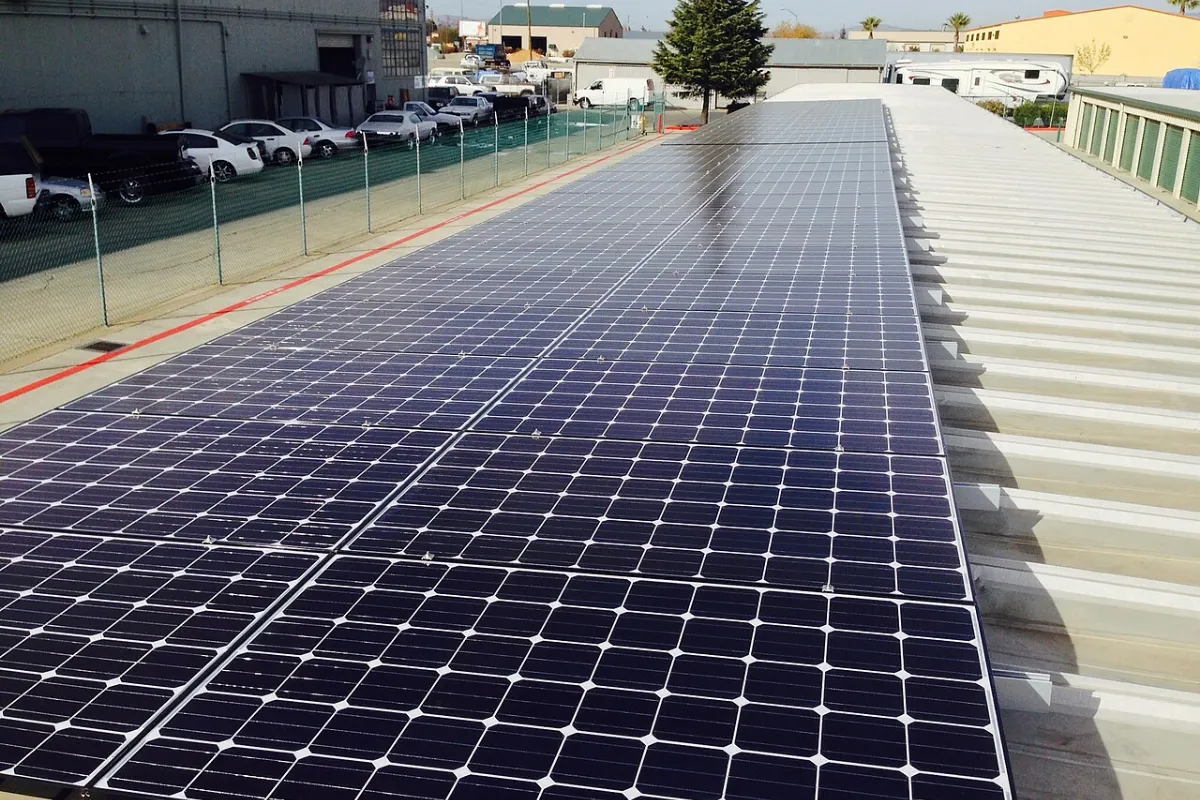
Photo: Roofjockey · CC BY-SA 4.0 Self-consumption
You use the solar energy produced by day in the evening and at night, instead of selling it to the grid for less.
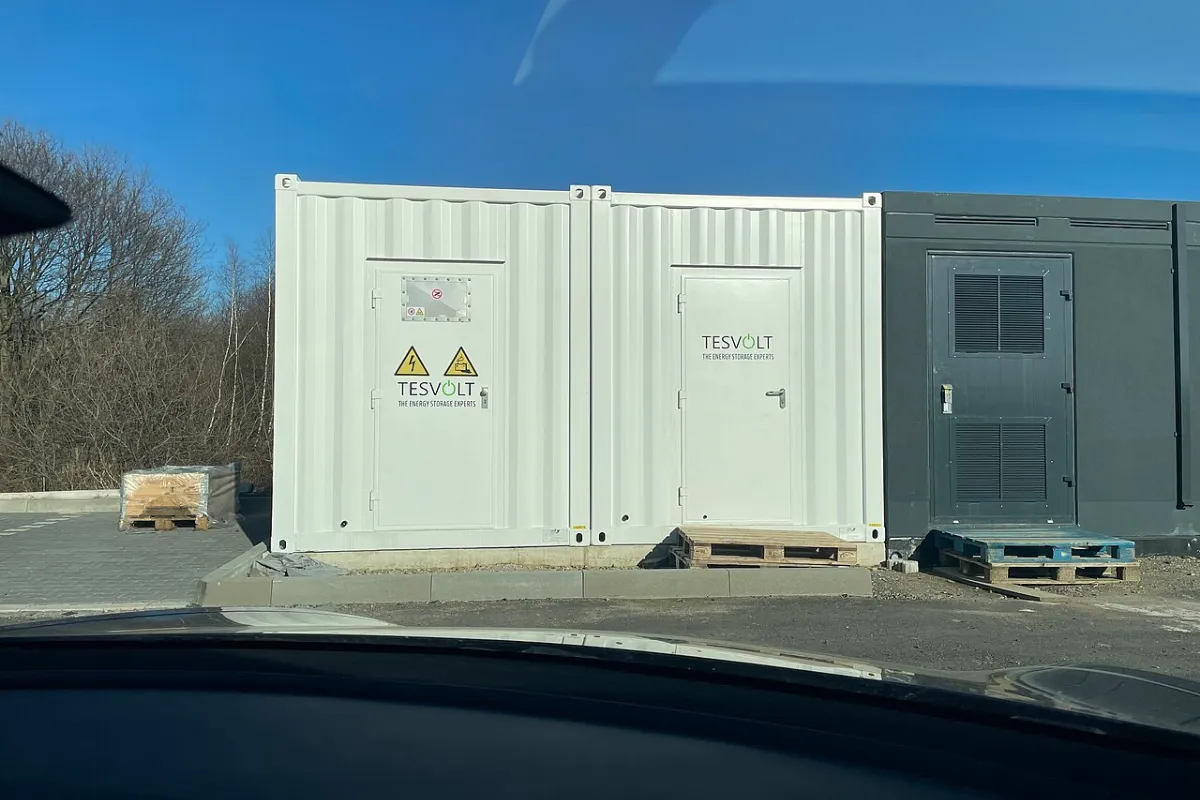
Photo: Tomás Freres · CC BY-SA 4.0 Peak shaving
The battery absorbs short, heavy loads, so your existing grid connection is enough.
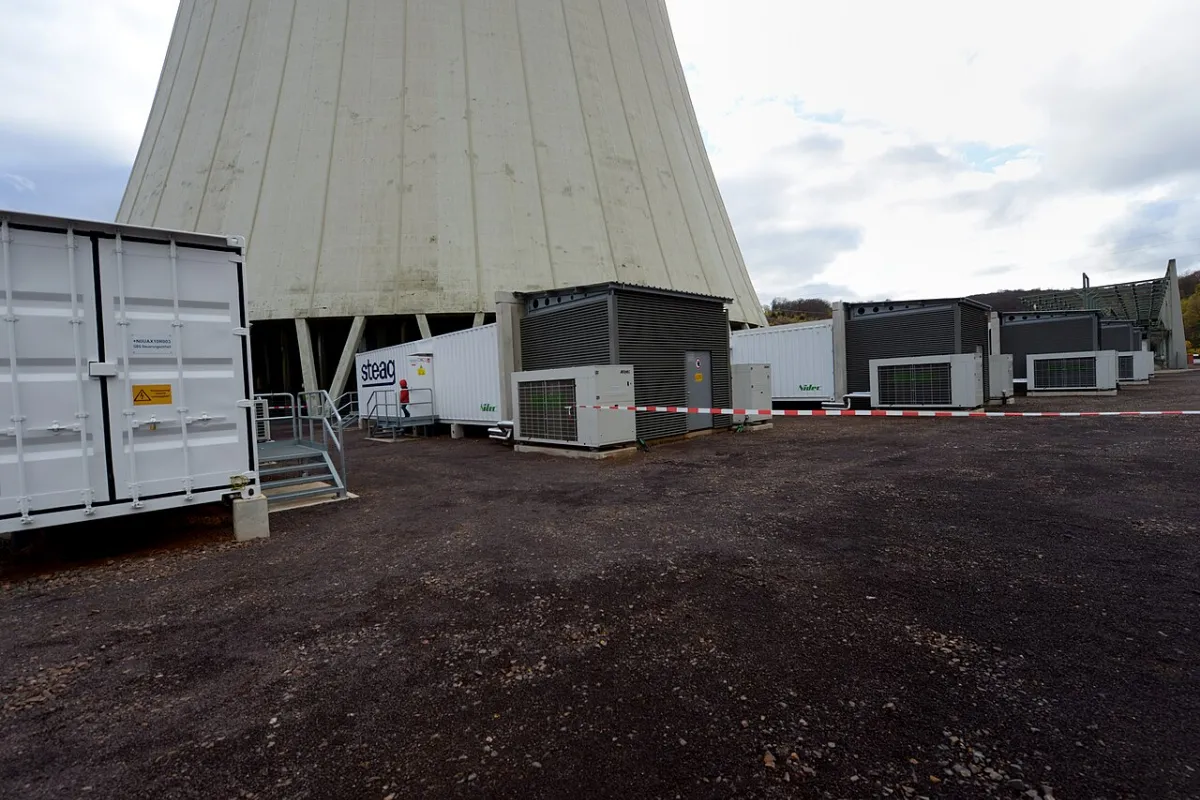
Photo: Simon Mannweiler · CC BY-SA 4.0 Price differences
The battery charges when electricity is cheap on the Nord Pool exchange and gives it back when the price is high.
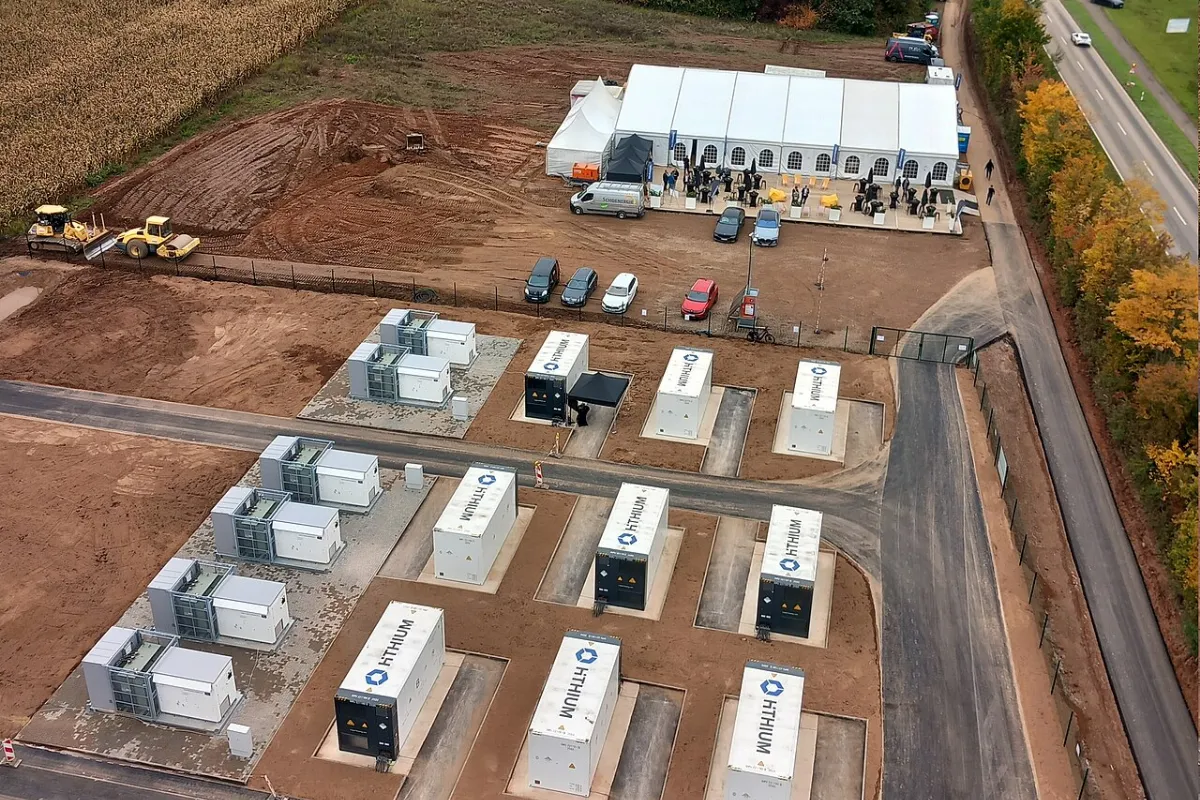
Photo: P170 · CC BY-SA 4.0 Balancing market
Through an aggregator the battery takes part in the balancing market (mFRR, aFRR) and earns even when the business is closed.
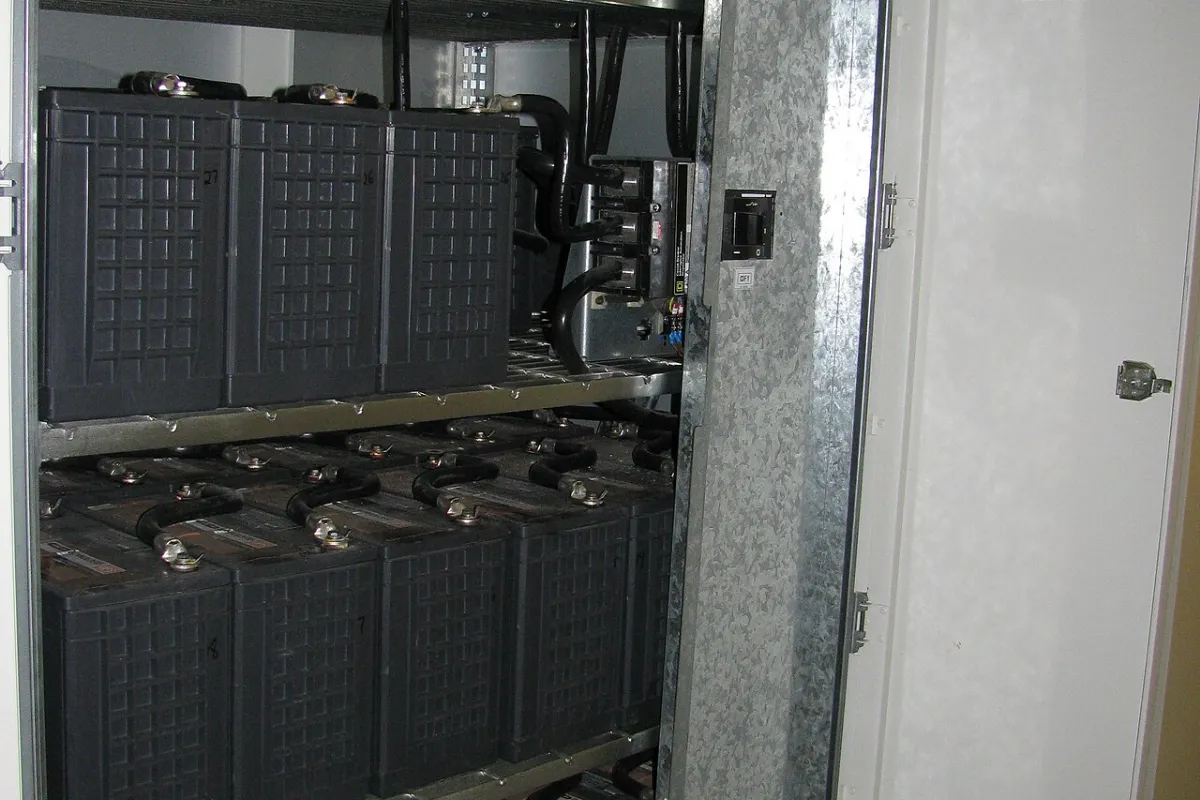
Photo: Robert.Harker · CC BY-SA 3.0 Backup power
If the power goes out, the most important equipment keeps running.
System sizes
We will choose the system by your consumption and goals, and name the maker and model in the offer.
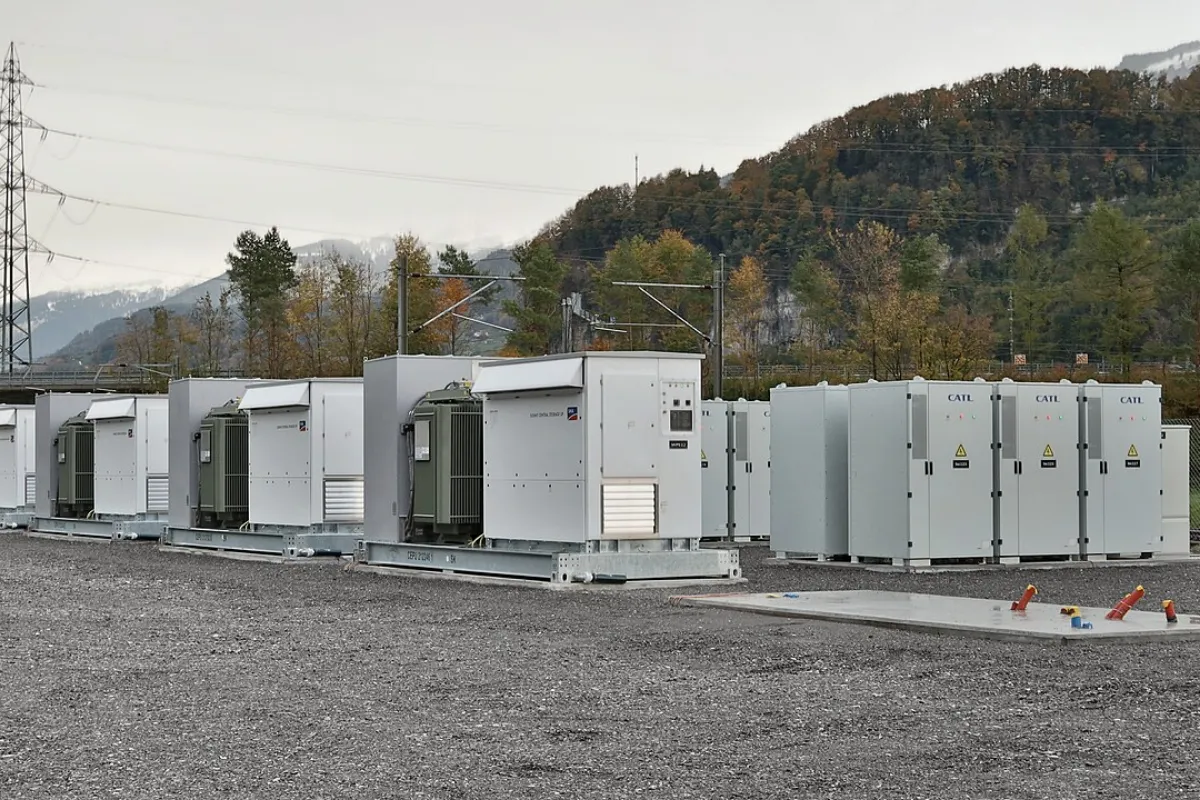
Photo: Kecko · CC BY 2.0 50–250 kWh
Outdoor cabinet systems
One or a few outdoor cabinets (30–125 kW) for shops, farms and small factories.
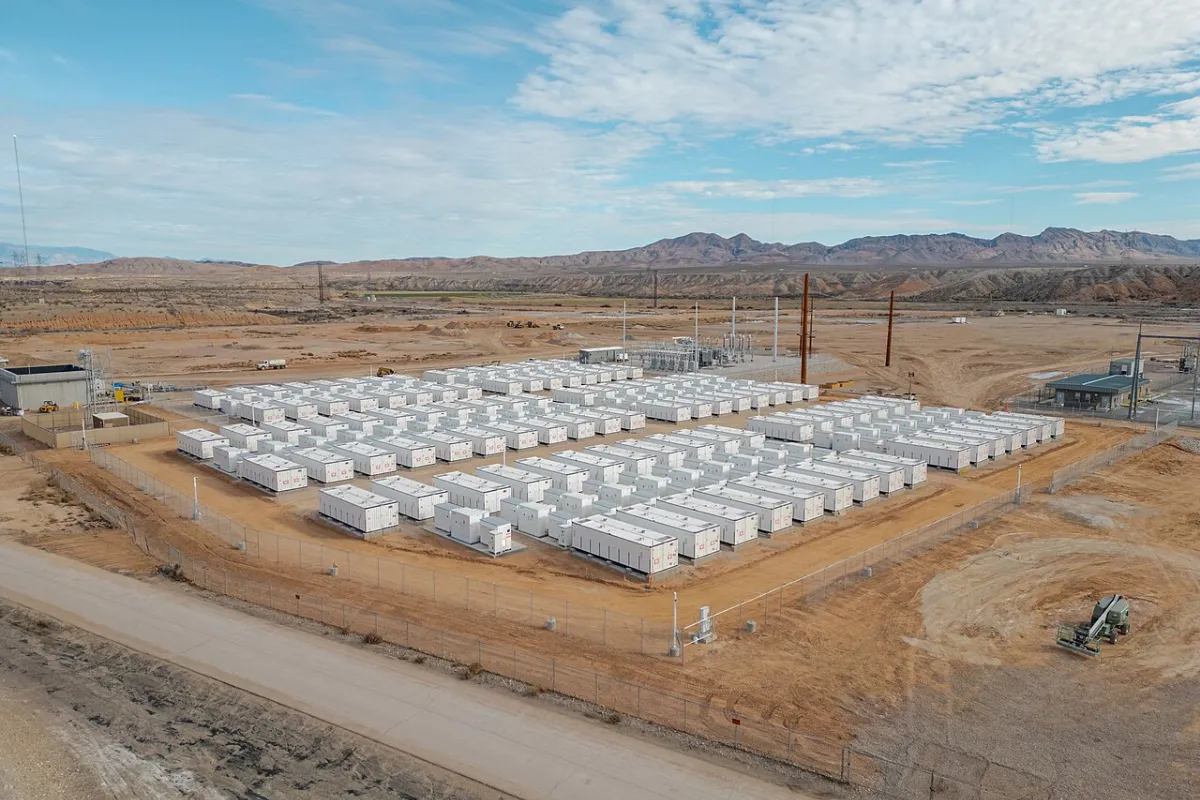
Photo: Sig. Chiocciola · CC0 1.0 250 kWh – 2 MWh
Cabinets connected in parallel
Several liquid-cooled cabinets — for factories, warehouses and solar parks.
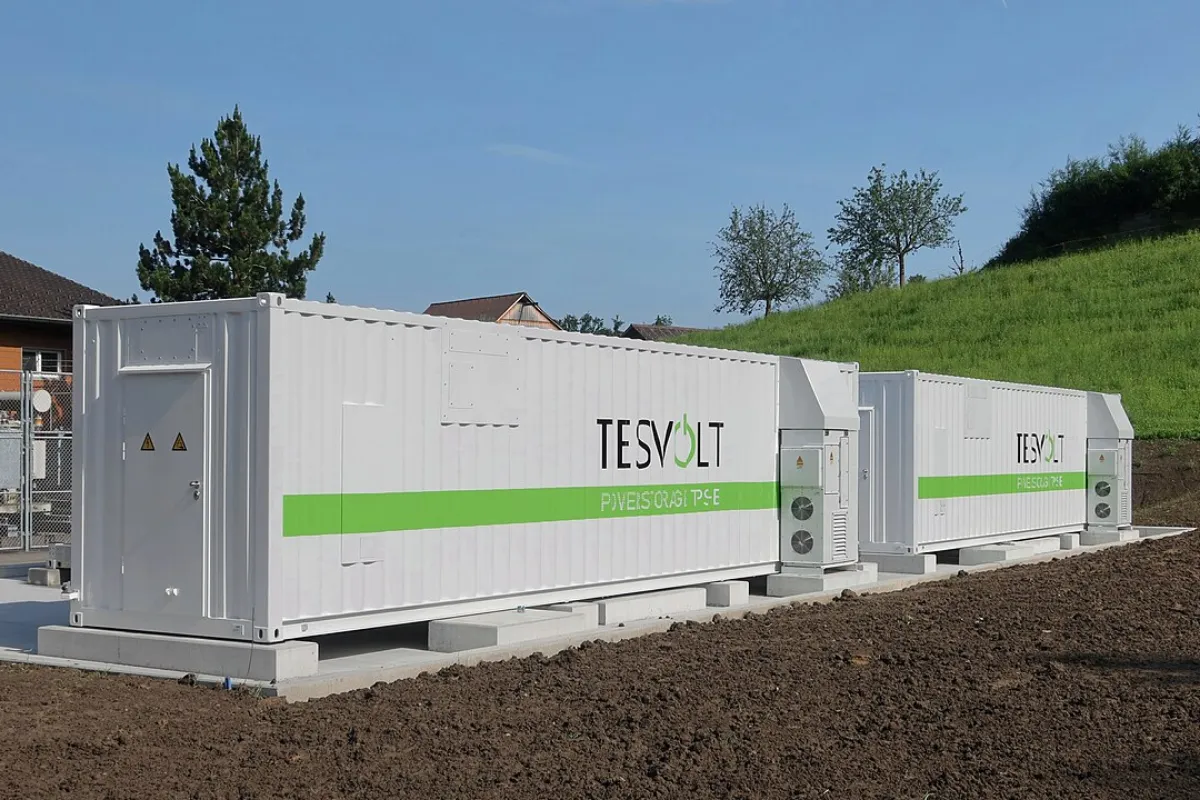
Photo: Kecko · CC BY 2.0 from 1 MWh
Container systems
20-foot containers for large consumers and power plants.
Looking for a home battery (5–30 kWh)? See the catalogue
Rules to know
As of September 2026. The rules change, so we check the current requirements before every project.
- A battery that can feed energy into the grid has to be approved by Sadales tīkls as a power plant. We will prepare the documents.
- ALTUM's greening programme finances a battery together with solar panels if it charges from the business's own output (at least 75 % a year).
- A battery takes part in the balancing market through a balancing service provider (an aggregator), not directly.
- Households have separate support — EKII covers up to 70 % (up to €15,000) for solar panels and batteries from 5 kWh.
The full-cycle process
- 1
Consumption and peak review
We will review your consumption in 15-minute or hourly steps and identify your load peaks.
- 2
Calculation
We will work out the battery capacity and power, how it should run and the savings to expect.
- 3
Design and approval
We will design the system, agree it with Sadales tīkls and prepare the permits needed.
- 4
Delivery and installation
We will build the foundations and cable routes, install the cabinets or container and connect the system.
- 5
Testing and commissioning
We will test the battery and set up the energy management system (EMS).
- 6
Monitoring and maintenance
We will monitor the system remotely and service it regularly; if needed, it can be extended later.
Photo sources
Some photos are taken from Wikimedia Commons: they show other companies’ projects, to illustrate what such systems look like. The images are resized and cropped.
- Solar panels on a commercial roof — Roofjockey, CC BY-SA 4.0
- A 2 MWh battery in two containers at a business — Tomás Freres, CC BY-SA 4.0
- Battery containers at a power station (Weiher, Germany) — Simon Mannweiler, CC BY-SA 4.0
- A battery park from above — P170, CC BY-SA 4.0
- A backup power battery cabinet — Robert.Harker, CC BY-SA 3.0
- Outdoor battery cabinets in rows (Walenstadt, Switzerland) — Kecko, CC BY 2.0
- Battery cabinets in parallel in a large system (Nevada, USA) — Sig. Chiocciola, CC0 1.0
- Two battery containers, 6.24 MWh (Rheineck, Switzerland) — Kecko, CC BY 2.0
Request a battery calculation
Send us your consumption data or an electricity bill — we will work out the right battery size and what it brings your business.